|
PONTOONS  Residential Pontoons Ramps/Gangways Commercial Pontoons Pontoon Boats House Boat Bases Boat Ramp Pontoons Industrial Pontoons Oyster Cultivation Bridges/Walkways Installations Design and Concept Residential Pontoons Ramps/Gangways Commercial Pontoons Pontoon Boats House Boat Bases Boat Ramp Pontoons Industrial Pontoons Oyster Cultivation Bridges/Walkways Installations Design and ConceptPARTS & ACCESSORIES Floats Pile Caps Timber & Decking Buffer Cleats Pontoon Furniture Brackets Fasteners Price List Drawing register Build your own Parts Price List  MDS Logo 1981 MDS Logo 1981New South Wales 45 Wellington St Riverstone NSW 2765 Australia 02 9627 5577 Queensland 26 Corbould Rd Coolum Beach Qld 4573 Australia 07 5324 1557  
|
|


|
MARINE DOCK SYSTEMS
45 Wellington Street Riverstone N.S.W 2765 Australia Ph: +61 2 9627 5577 26 Corbould Rd Coolum Beach Qld 4573 Australia Ph: +61 7 5324 1557 Home
Email
Enquiry Links
|

|
Frequently Asked Questions – Comtor Units & Pontoon Connection Brackets
1. What is a Comtor Unit?
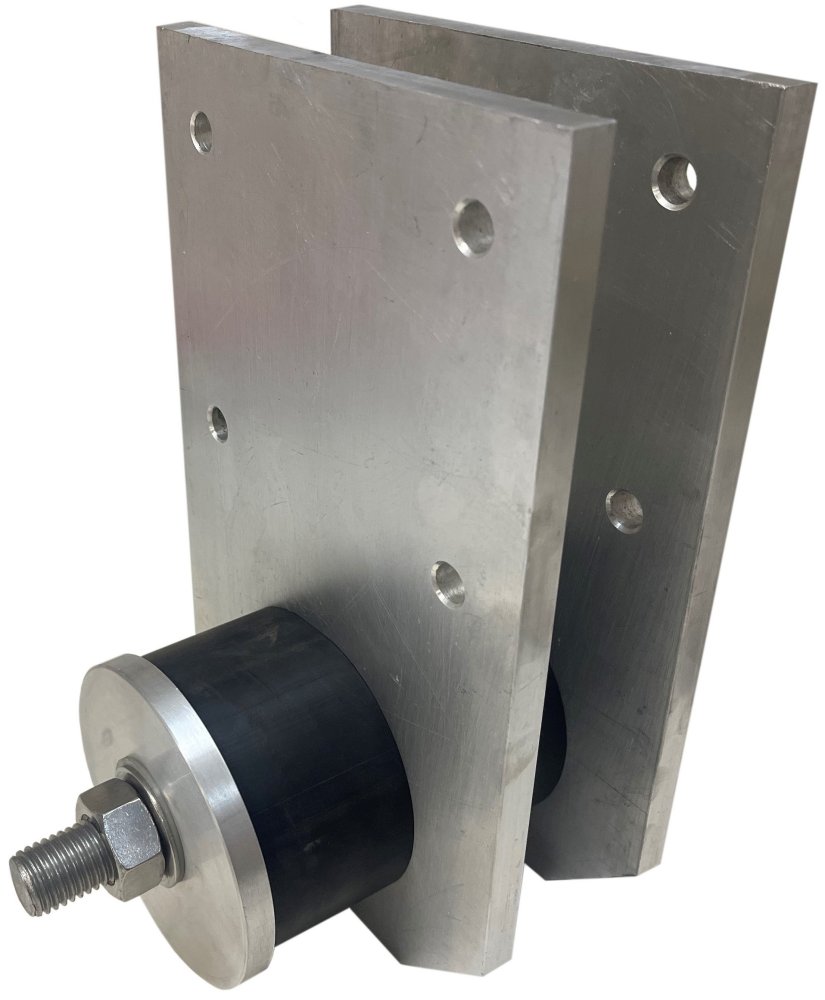
A Comtor Unit is a heavy-duty flexible connection system designed to join floating pontoons, marina walkways and finger pontoons while allowing controlled movement between sections.
2. What is the purpose of a pontoon connection bracket?
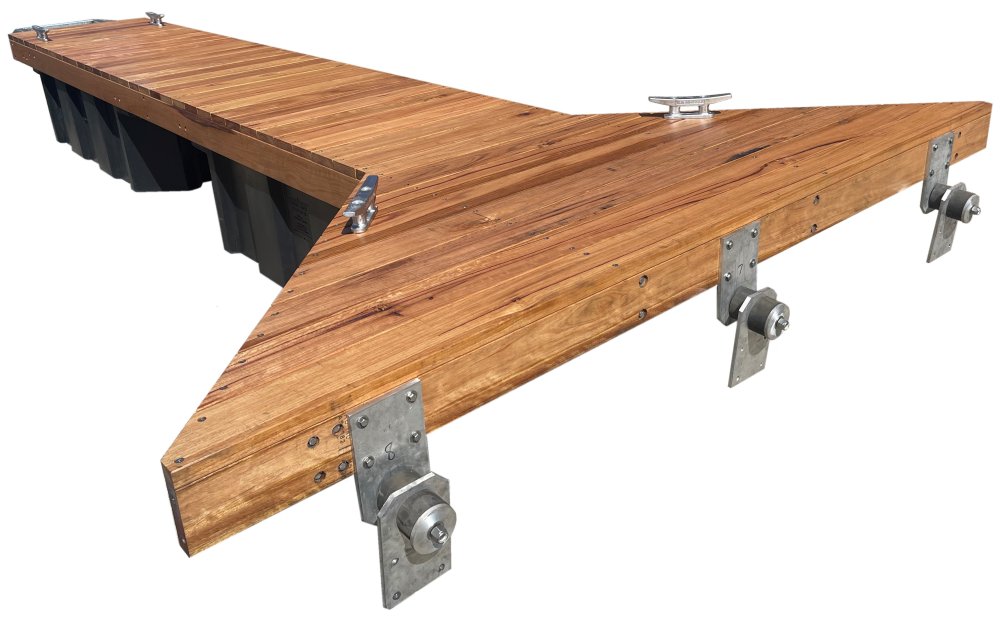
Pontoon connection brackets securely connect separate floating dock sections, allowing them to function as a single marina system while accommodating wave action, tides and vessel movement.
3. What applications are Comtor Units used for?
Comtor Units are commonly used in marinas, floating walkways, finger pontoons, commercial docks, residential pontoons, floating platforms and marine infrastructure projects.
4. Why are flexible pontoon connections important?
Flexible connections help absorb loads caused by waves, wind and vessel impacts, reducing stress on the pontoon structure and extending service life.
5. Can Comtor Units be used on commercial marinas?
Yes. Marine Dock Systems Comtor Units are suitable for commercial marina developments, public jetties, yacht clubs and heavy-duty marine applications.
6. Are Comtor Units suitable for residential pontoons?
Yes. They are ideal for connecting residential pontoons, floating docks and private waterfront structures.
7. What materials are used in Comtor Units?
Comtor assemblies utilise durable marine-grade steel components, heavy-duty rubber elements and corrosion-resistant hardware designed for long-term marine use.
8. Can Comtor Units be fitted to aluminium pontoons?
Yes. They can be incorporated into aluminium-framed pontoon systems and custom marina configurations.
9. Can Comtor Units be fitted to timber pontoons?
Yes. Marine Dock Systems provides installation details for timber-framed pontoons and floating walkways.
10. What is the advantage of using a Comtor connection system?
Comtor Units provide strength, flexibility, durability and ease of maintenance while allowing pontoons to move naturally with changing water conditions.
11. Are engineering drawings available?
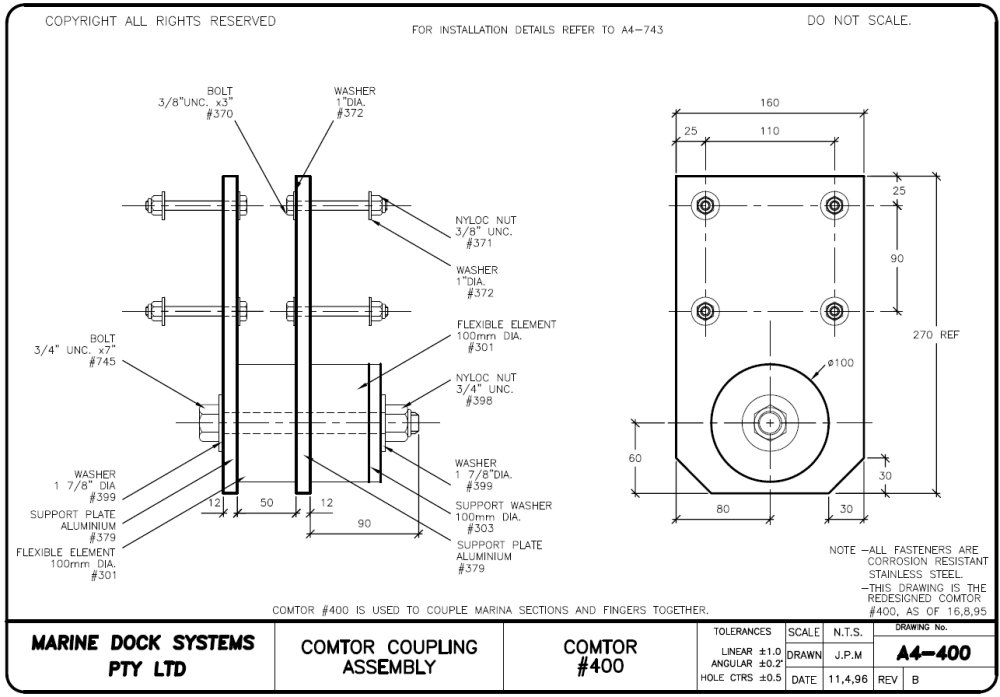
Yes. Detailed technical drawings and assembly details are available for Comtor Units, rubber components, washers and mounting configurations.
12. Can Comtor Units be used to connect finger pontoons?
Yes. They are commonly used to connect marina fingers to main walkways while maintaining structural integrity and flexibility.
13. What maintenance is required?
Periodic inspection of bolts, rubber components and connection hardware is recommended to ensure optimal performance and longevity.
14. Are replacement Comtor components available?
Yes. Marine Dock Systems can supply replacement rubber inserts, washers and associated hardware components when required.
15. Can Comtor Units be retrofitted to existing pontoons?
In many cases, Comtor Units can be incorporated into existing marina and pontoon systems. Contact Marine Dock Systems for application advice.
16. What environments are Comtor Units designed for?
They are designed for use in rivers, lakes, dams, estuaries, canals, marinas and sheltered coastal environments.
17. Do Comtor Units allow pontoon movement?
Yes. The system is specifically designed to permit controlled movement while maintaining a secure connection between floating sections.
18. Are Comtor Units Australian made?
Yes. Marine Dock Systems manufactures Australian-made pontoon connection systems designed for local marine conditions.
19. What size pontoons can be connected?
Comtor Units are suitable for a wide range of pontoon sizes, from residential floating docks through to large commercial marina systems.
20. Why choose Marine Dock Systems Comtor Units?
Marine Dock Systems has decades of experience designing marina infrastructure and floating dock systems, providing proven, reliable and durable connection solutions for marine projects throughout Australia and internationally.